The architecture and construction industry is constantly evolving, driven by technological advancements, sustainability goals, and changing lifestyle needs. Modern building design is no longer focused solely on aesthetics; it now emphasizes functionality, energy efficiency, occupant well-being, and environmental responsibility. As we move further into 2026, several emerging trends are reshaping the way architects and designers approach residential, commercial, and institutional projects.
1. Sustainable and Green Architecture
Sustainability remains one of the most influential trends in modern architecture. Architects are increasingly incorporating eco-friendly materials, energy-efficient systems, and sustainable construction practices to reduce environmental impact.
Key Features:
- Energy-efficient building systems
- Solar power integration
- Eco-friendly construction materials
Green buildings not only reduce carbon footprints but also provide long-term cost savings through lower energy consumption.
2. Smart Buildings and Home Automation
Technology is becoming an integral part of building design. Smart homes and intelligent commercial buildings offer enhanced convenience, security, and energy management through automated systems.
Key Features:
- Smart lighting controls
- Automated climate management
- Advanced security systems
These technologies improve user experience while optimizing energy usage and operational efficiency.
3. Biophilic Design
Biophilic design focuses on strengthening the connection between people and nature within built environments. This approach has gained popularity due to its positive impact on health, productivity, and overall well-being.
Key Features:
- Indoor greenery integration
- Natural lighting solutions
- Open-air spaces
Architects are increasingly using natural materials and landscaping elements to create healthier living and working environments.
4. Minimalist and Functional Spaces
Modern architecture embraces simplicity and functionality. Clean lines, uncluttered spaces, and efficient layouts are becoming preferred choices for homeowners and businesses alike.
Key Features:
- Open floor plans
- Multi-functional spaces
- Clean architectural lines
Minimalist designs create visually appealing environments while maximizing usability and comfort.
5. Advanced 3D Visualization and Virtual Design
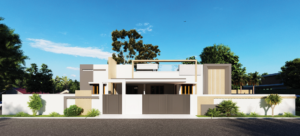
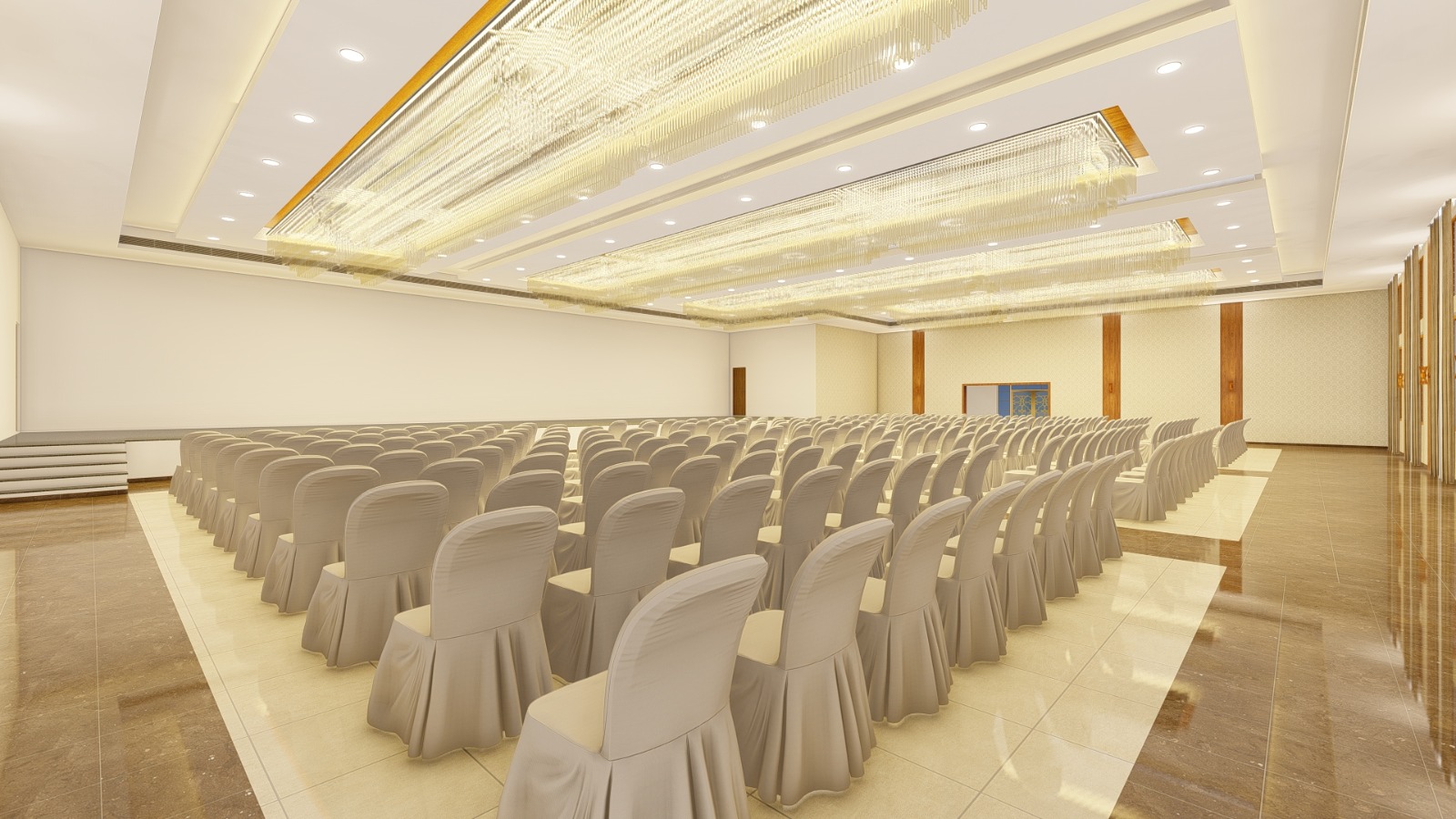
Architectural visualization technologies have transformed the design process. Clients can now explore projects through highly realistic 3D renders and virtual walkthroughs before construction begins.
Key Features:
- Photorealistic 3D rendering
- Virtual reality walkthroughs
- Interactive design presentations
These tools improve communication between architects and clients while minimizing design revisions.
6. Modular and Prefabricated Construction
Modular construction techniques are gaining popularity due to their speed, cost efficiency, and reduced material waste.
Key Features:
- Faster project completion
- Improved quality control
- Reduced construction waste
Prefabricated components are manufactured off-site and assembled on location, streamlining the construction process.
7. Flexible and Adaptive Spaces
The demand for adaptable environments has increased significantly. Modern buildings are being designed to accommodate changing needs over time.
Key Features:
- Flexible room layouts
- Expandable living spaces
- Multi-purpose areas
This approach enhances long-term usability and increases property value.